The conversation about solar's end-of-life wave usually fixes on how many millions of tons of panels are coming, and when. That number matters, but it is misleading, as it frames the challenge as a volume problem the industry will grow into. In practice, it’s more of a lead-time problem. The volume is largely locked in by installation decisions already made and is predictable. What is not locked in is whether the capacity to handle it will exist in the right places by the time it arrives. On the current trajectory, it will not — and the reasons for it are structural.
The predictable solar waste wave
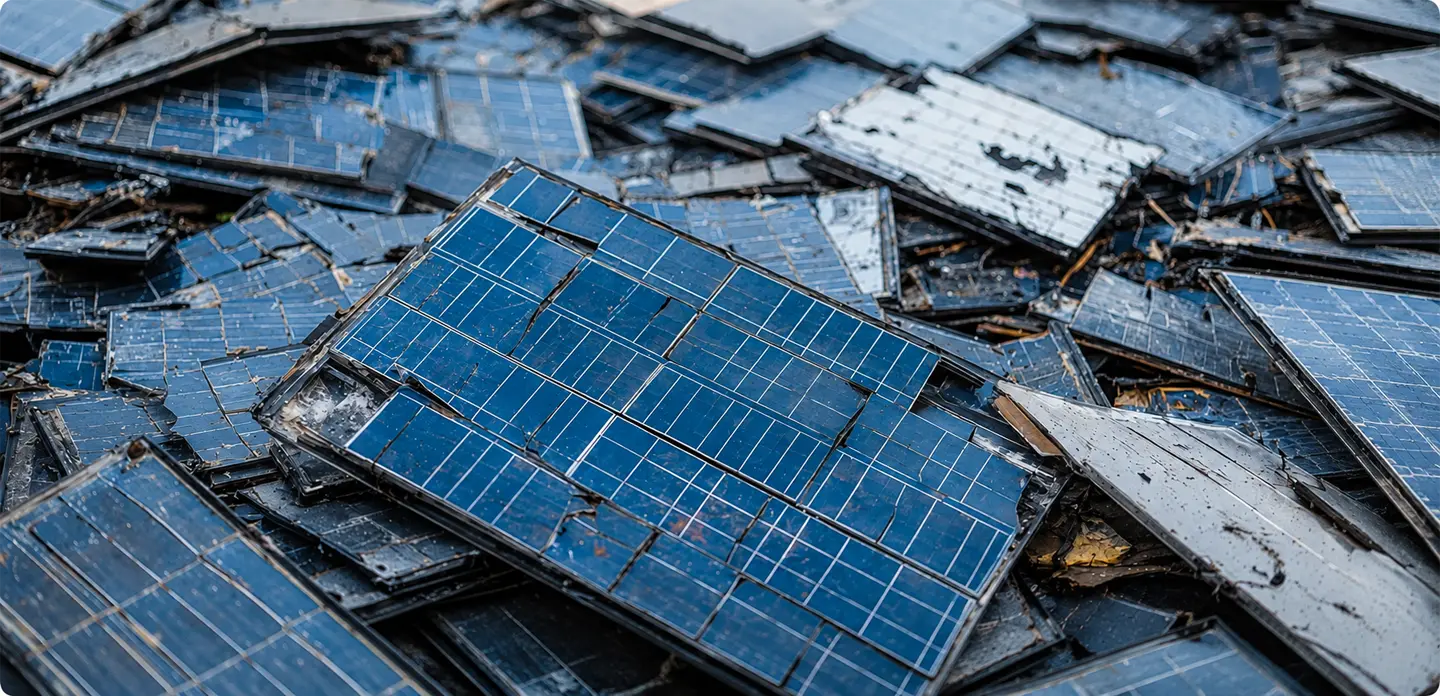
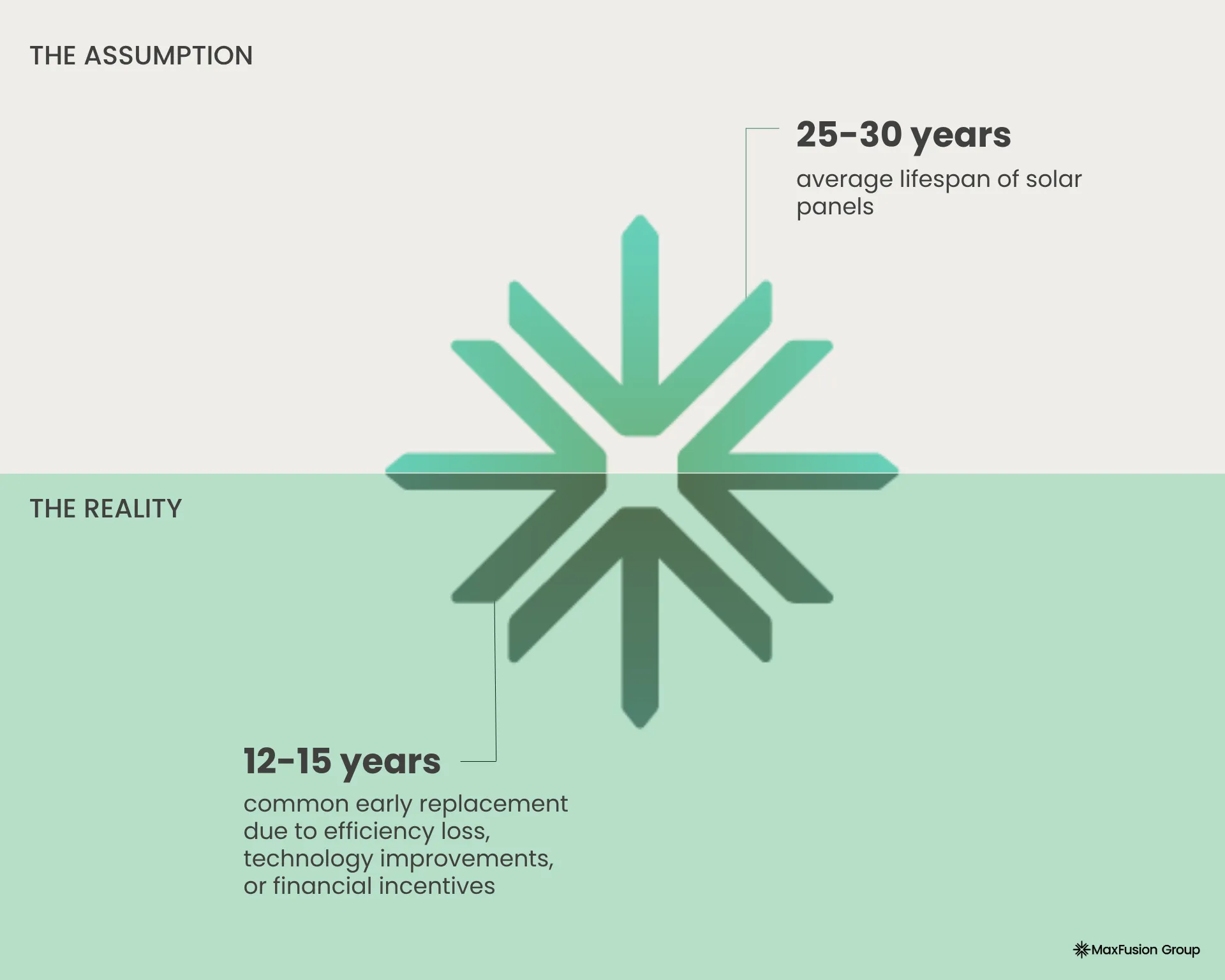
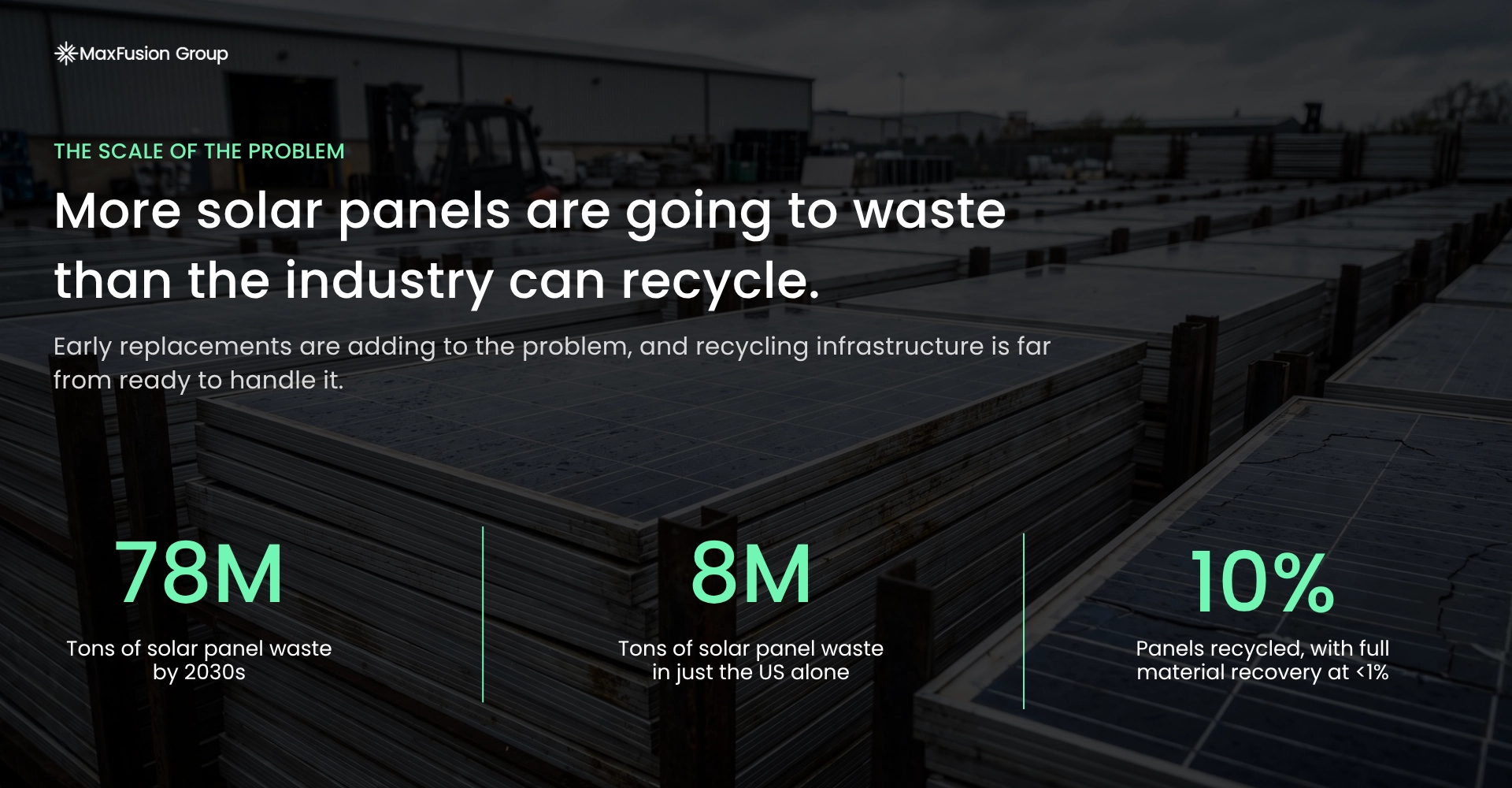
As we set out in our earlier analysis of the solar recycling gap, the volumes are a direct consequence of decisions already made. IRENA projects global solar waste reaching 4 million tons by 2030 and more than 78 million tons by 2050 — but that model excludes early replacement. An alternative model built on real US data, incorporating the economic reality that panels are often replaced at 12–15 years rather than 25–30, pulls that 78-million-ton figure forward to as early as 2033. In the US alone, that points toward roughly 8 million tons of panels reaching end of life.
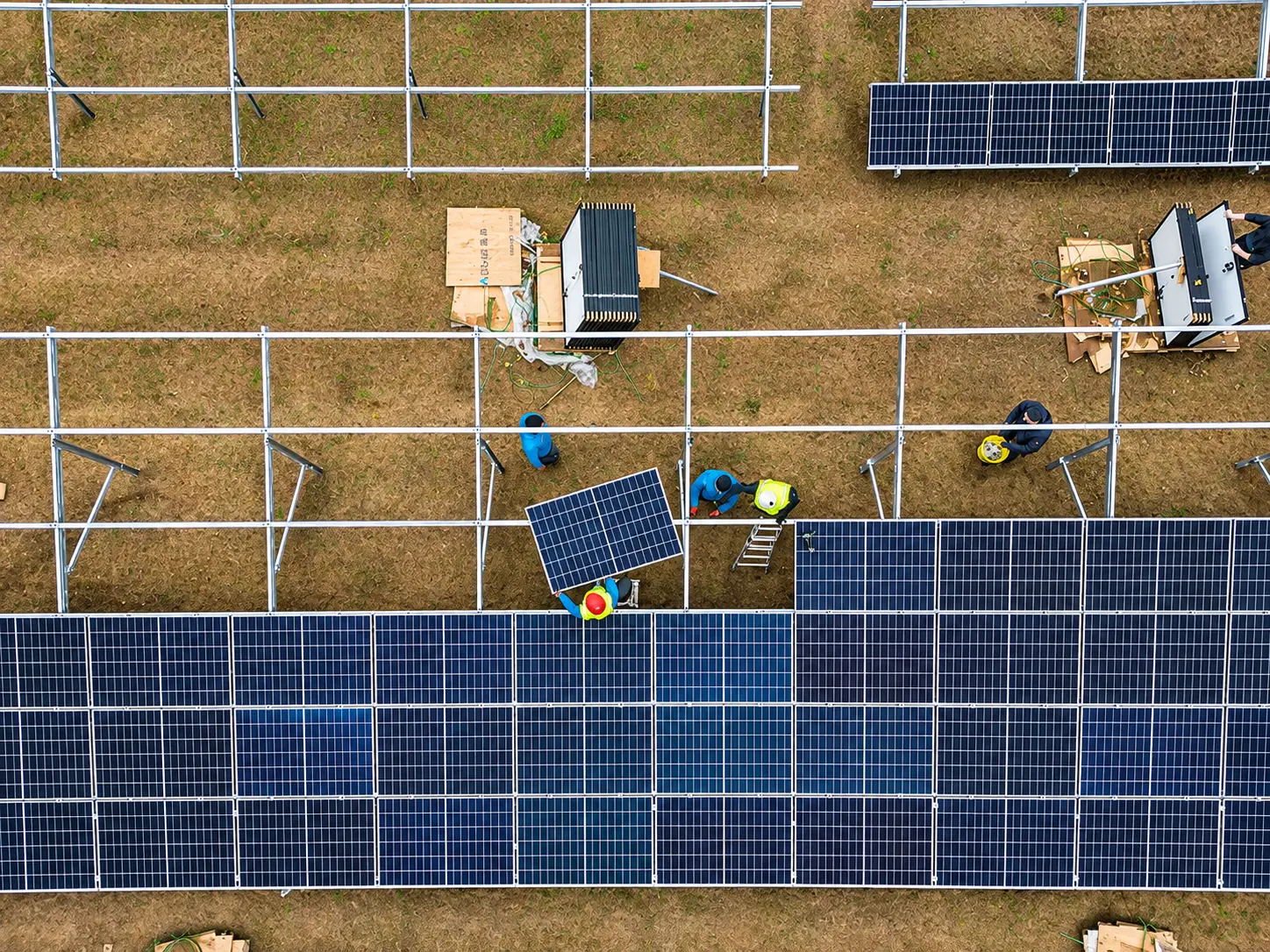
Every panel generating electricity today is a future decommissioning liability. The leading edge of the first utility-scale wave — the installations that came online between 2010 and 2015 — is reaching that point now. This number shouldn’t be treated as a forecast, but rather as a timeline for action that the industry has to commit to.
What 'recycling' actually means in the US today
The unfortunate reality is that even the capacity that exists today often is not doing what the word 'recycling' implies. The honest answer to what happens to a decommissioned panel is still that it usually goes to a landfill. In the US, only around 10% of solar panels are recycled. And even then, the bulk share of what is counted as recycling is not closed-loop recovery at all. Independent research in 2026 documented that much of US 'solar recycling' amounts to landfilling, disposal in disguise, or offshoring — with volumes routed to a single foreign-owned smelting chain abroad. In the EU, the situation is different yet similar. Most solar panels there are collected through the WEEE scheme by waste companies, contributing to a reported 85% recycling rate, but no one is tracking whether the panels are actually recycled or simply shipped offshore.
That last point matters beyond the environmental optics. Offshoring the material runs directly against the logic of a domestic supply chain — the same contradiction we examined in our piece on supply-chain reshoring: recovering critical materials only to ship them overseas for processing is reshoring production while offshoring the net value. The dominant mechanical process only compounds the loss, as glass and aluminum are recovered domestically, while silicon, silver, and copper that hold most of a panel's recoverable value are either discarded in landfills or shipped abroad. Silver alone is the highest value driver: the solar industry already accounts for around 17% of global silver demand and could reach as high as 40%; leaving it in a shredded cell stack is both an environmental and a supply-chain failure.
Why capacity cannot simply be summoned when needed
The instinct among asset owners is to treat end-of-life capacity the way they would any service — something to source when the need arrives. That assumption holds only when supply is elastic. Recycling infrastructure is not. It is capital-intensive, permit-constrained, and slow to build, and three structural frictions keep it from scaling on demand.
- Volume arrives in concentrated bursts.
A single utility decommissioning can deliver hundreds of thousands of panels at once. A dedicated processing line can only move so many in a year, and recyclers must clear feedstock rather than let it accumulate — so one large project can occupy a facility's capacity for an extended period, leaving little slack for anyone else. - The build-out is slow and front-loaded with cost.
Standing up a new facility means substantial upfront capital and, critically, permitting that can stretch into years in some states. And as most of the volume is only going to hit the market in the coming years, most recyclers are forced to scale gradually, so the capacity is bound to trail the feedstock with substantive delays. - The curves are diverging.
Decommissioning volumes are climbing while installed capacity continues to surge — the EIA projects nearly 70 GW of new US solar in 2026–27 alone, every watt of it a future retirement. Regulatory pressure to recycle rather than landfill is tightening in parallel. Processing infrastructure is not keeping pace with any of those three curves, let alone all of them at once.
Put together, the conclusion is simple and commercial: asset owners who go looking for end-of-life capacity at the moment they need it will meet a constrained market, limited options, and no leverage. The capacity you will need at the end of an asset's life has a lead time that begins years before you would naturally think to act.
Meeting the challenge: the three bottlenecks that have to break
If the gap is structural, closing it means addressing the specific frictions that keep recycling from scaling, not just building more of the same slow, centralized plants. Three bottlenecks matter most, and they define what a solution actually has to look like.
1. Collection. Utility-scale decommissioning arrives in large, single-site lots that are relatively straightforward to aggregate. The harder volume is distributed: residential systems, community solar, and commercial rooftops scattered across a region, each too small to justify a dedicated logistics effort on its own. Without collection schemes that can consolidate these smaller streams, a large share of end-of-life panels will simply never reach a recycler — they will default to the landfill. Closing the gap means building collection networks for residential and community-scale panels, not only servicing the big utility lots.
2. Geography and logistics. Recycling economics are punished by distance. Panels are heavy and bulky, dominated by glass, and hauling them hundreds of miles to a handful of centralized plants can cost more than the materials recovered are worth. A system built around a few large, fixed facilities concentrates capacity in the wrong places and loads every project with transport cost. What the market needs instead is capacity that can be deployed close to where panels come down — scalable across wide geographies so logistics stops eroding the case for recycling at all.
3. Technology and permitting. The most capable advanced-recycling processes are often complex, capital-heavy, and slow to permit — which is precisely why capacity lags the feedstock. A process that is simpler to deploy and replicate, while still recovering the high-value materials, can be stood up faster, permitted more easily, and scaled to match incoming volumes rather than trailing them by years. Simplicity of deployment does not have to be a compromise on recovery, but it can be the Hail Mary for achieving scalability before tons of valuable critical materials are lost.
Where Refusion and our Mobile solution fit
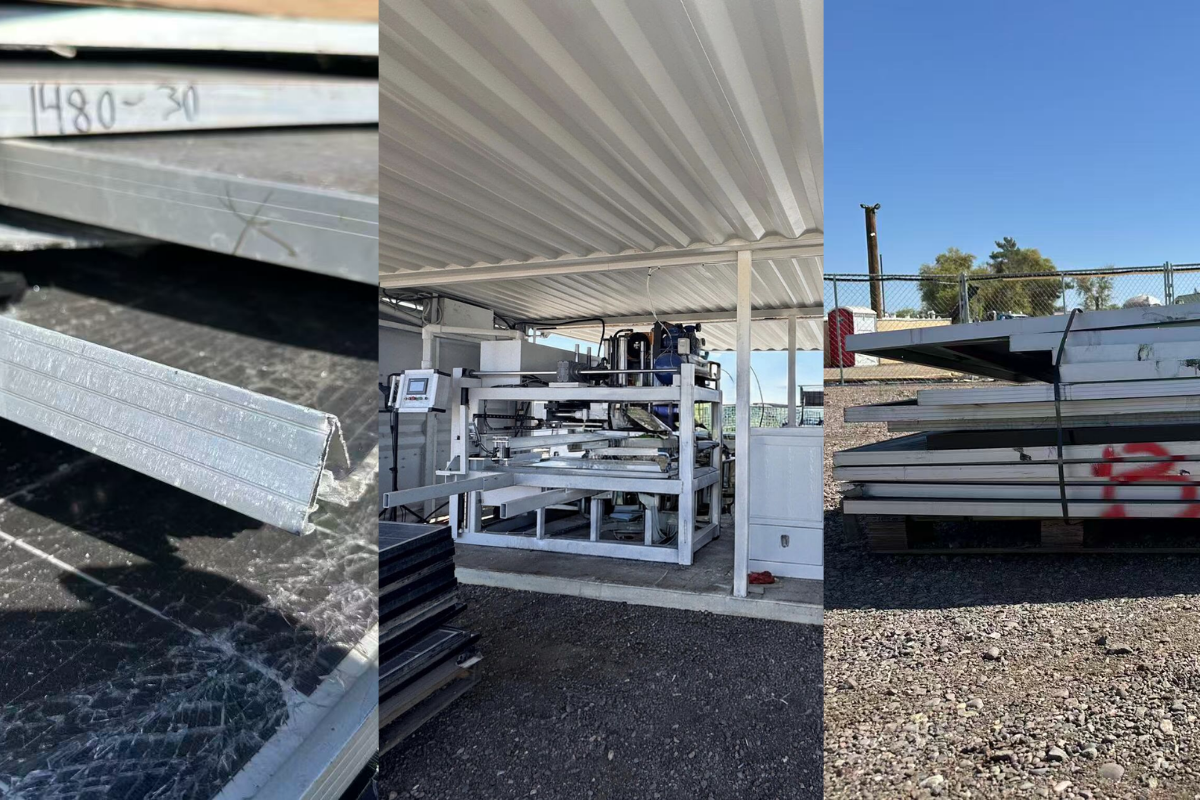
These three bottlenecks are the problem our subsidiary Refusion Recycling was built to address — and the reason our approach is designed around deployability, not just recovery. Refusion's process combines mechanical dismantling with multi-stage pyrolysis and thermal oxidation that removes the EVA encapsulant without damaging the silicon and silver beneath — recovering the high-value materials that mechanical-only processing typically discards.
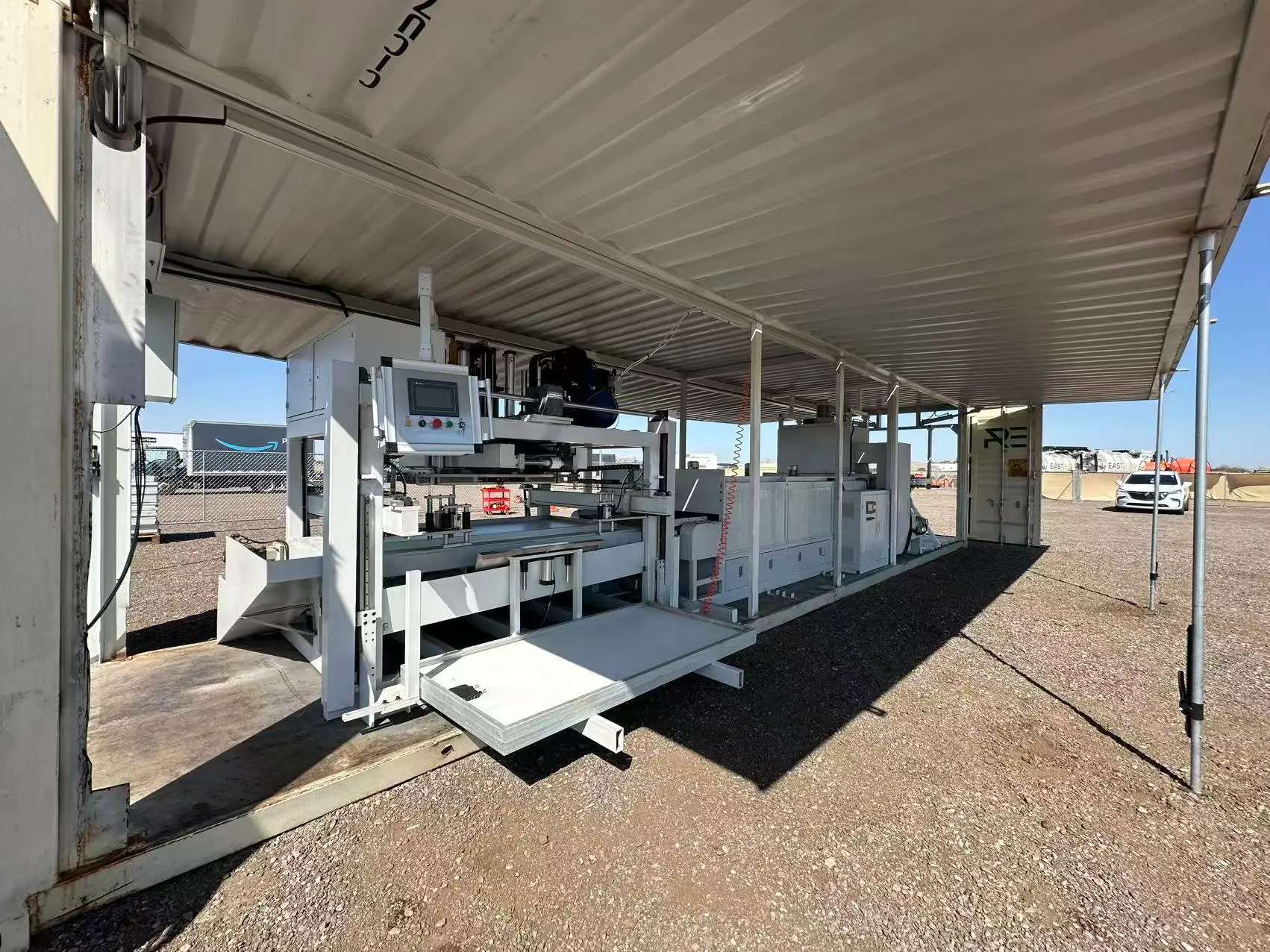
Crucially, the entire process is engineered to be distributed and achieved through different stages, with initial dismantling being fully mobile, so the capacity can be brought to the panels rather than requiring every panel to be hauled to a distant fixed plant. That directly attacks the geography-and-logistics bottleneck: processing close to the decommissioning site cuts the transport cost that so often makes recycling uneconomic, and makes it practical to serve distributed residential and community volumes that a centralized model leaves stranded. Because the approach is designed to be replicable rather than monolithic, it is better suited to scaling across regions and moving through permitting at the pace the incoming volumes demand.
What this means for asset owners
The practical takeaway has not changed since we first wrote about the recycling gap, only grown more urgent. End-of-life capacity will favor those who establish relationships before demand peaks, and urgency will be priced accordingly. The decisions that determine whether a decommissioning is orderly or expensive are made years ahead: in qualifying compliant partners, mapping regulatory exposure, and securing a pathway while capacity still has slack.
The wave is scheduled. The capacity to meet it is not yet built, and building it means solving for collection, geography, and permitting — not just adding more tonnage of the same slow infrastructure. The asset owners who understand that the constraint is lead time, and act on it now, are the ones who will have a compliant, economic route when their panels come down. The rest will be competing for scarce capacity in a market that prices urgency against them.